





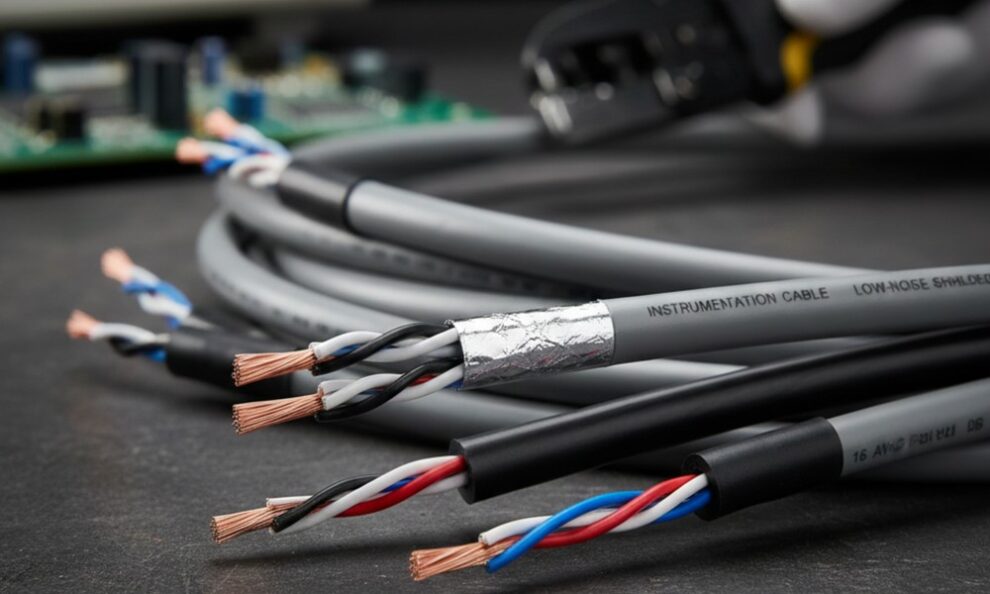

Instrumentation cables are the nervous system of industrial facilities, carrying critical signals between sensors, controllers, and monitoring systems. When these cables fail, the consequences can be severe-from production downtime to safety hazards. Understanding common failure modes and implementing preventive measures can save your facility thousands in repair costs and lost productivity.
The Most Common Cable Failures
Insulation Breakdown ranks as the leading cause of instrumentation cable failure. Moisture ingress, chemical exposure, and thermal stress gradually degrade insulation materials, leading to signal loss or short circuits. In one manufacturing plant, undetected moisture in underground cable runs caused intermittent sensor failures that plagued operations for months. Prevention starts with selecting cables with appropriate insulation ratings for your environment and ensuring proper sealing at termination points.
Mechanical Damage often occurs during installation or from ongoing vibration and movement. Cables bent beyond their minimum bend radius, crushed by equipment, or subjected to repetitive flexing develop conductor breaks or insulation cracks. Always follow manufacturer specifications for bend radius-typically 6 to 12 times the cable diameter-and use proper cable supports every 3 to 5 feet to prevent sagging and stress.
Electromagnetic Interference (EMI) disrupts signal integrity, especially in facilities with variable frequency drives, motors, and high-voltage equipment. Unshielded or improperly grounded cables pick up electrical noise, causing erratic readings and false alarms. The solution involves selecting properly shielded cables, maintaining separation distances from power cables (minimum 12 inches), and ensuring continuous shield grounding at one end only to prevent ground loops.
Termination Failures account for nearly 30% of all cable problems. Poor crimping, loose connections, and corrosion at termination points create high resistance or open circuits. Use calibrated crimping tools, apply dielectric grease in corrosive environments, and implement quality control checks during installation. A simple pull test can verify connection integrity before energization.
Environmental Degradation occurs when cable jackets aren’t matched to their surroundings. Oil refineries, chemical plants, and outdoor installations expose cables to harsh conditions. Standard PVC jackets deteriorate quickly when exposed to oils or UV radiation. Choose jackets specifically rated for your environment-polyurethane for oil resistance, or UV-stabilized materials for outdoor runs.
Best Practices
Implement a preventive maintenance program that includes annual insulation resistance testing using a megohmmeter. Document baseline readings and track trends over time. A gradual decrease in insulation resistance warns of impending failure, allowing planned replacement before catastrophic failure occurs.
Proper cable selection prevents most failures before they start. Create detailed specifications that account for temperature extremes, chemical exposure, mechanical stress, and EMI environment. Work with qualified instrumentation cable manufacturer who can provide technical guidance and third-party test certifications.
During installation, follow these critical steps: avoid pulling cables with excessive force (stay below 25 pounds for typical instrumentation cables), maintain proper bend radius, provide adequate support, separate signal cables from power cables, and protect cables in high-traffic areas with conduit or cable trays.
Regular inspections should include visual checks for jacket damage, verification of support integrity, testing of termination tightness, and thermal imaging to detect hot spots indicating high resistance connections.
Conclusion
Most instrumentation cable failures are preventable through proper selection, careful installation, and routine maintenance. By understanding these common failure modes and implementing robust prevention strategies, you can significantly improve system reliability, reduce downtime, and extend cable service life. Invest time upfront in proper cable specification and installation-the returns in reliability and reduced maintenance far exceed the initial effort.