




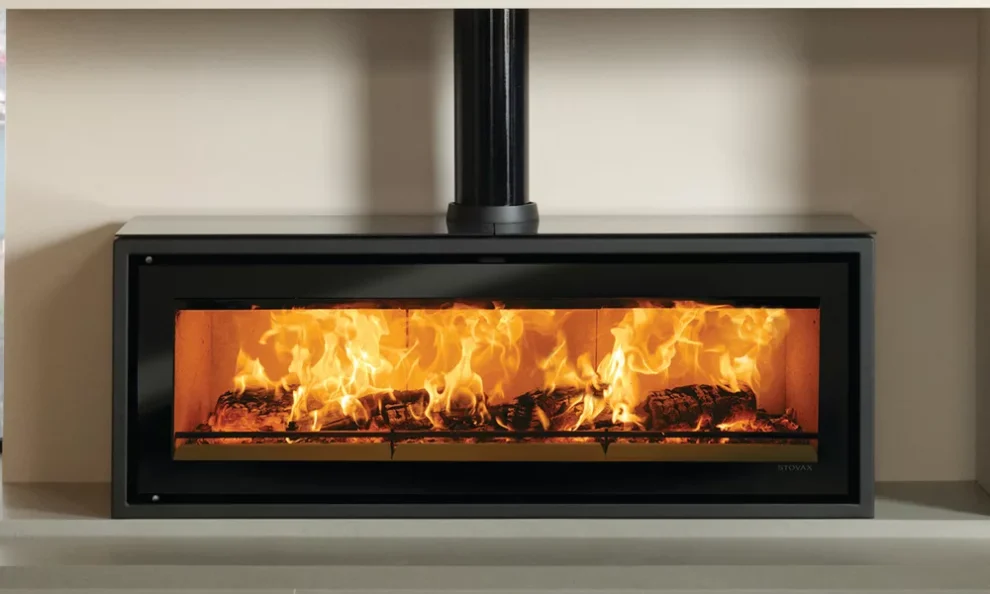

Modern multi-fuel stoves are effective for heating a home in the UK. It gives you the freedom to burn different types of fuel, wood, smokeless coal and approved solid fuels—so you can choose whatever offers the best heat, convenience and cost at the time.
But to get the most out of your stove, you need to use it correctly. Many homeowners unknowingly waste heat, burn the wrong fuel or run the stove at the wrong temperature. With a few simple habits, your multi-fuel stove can warm your home faster, cost less to run and last for many years.
Here’s how to heat your home efficiently and safely with a multi-fuel stove.
1. Choose the Right Fuel for Your Needs
One of the biggest advantages of a multi-fuel stove is choice. Each fuel burns differently:
Seasoned Logs
- Give a natural flame and cosy feel
- Burn quickly and need regular refuelling
- Work best when moisture content is below 20%
Logs are great for atmosphere and steady heat.
Smokeless Coal or Briquettes
- Burn hotter and last longer
- Ideal for colder months or overnight heating
- Produce consistent heat with fewer refills
Smokeless fuel is often the most efficient option for long burn times.
Blended or Approved Solid Fuels
- Designed specifically for multi-fuel stoves
- Offer controlled heat and slow burn rates
- Produce less ash than some coals
Check your stove manual for the recommended fuel types.
2. Store Your Fuel Properly
Poorly stored fuel burns badly and wastes heat.
Logs:
Keep them in a dry, ventilated area. Damp wood produces smoke, soot and very little heat.
Coal or Briquettes:
Store in a waterproof container or coal bunker to keep moisture out. Damp coal is hard to light and burns unevenly.
Efficient heat starts with dry, clean fuel.
3. Make Sure Your Air Vents Are Set Correctly
Multi-fuel stoves rely on air control. Unlike wood burners, which draw air from above the fuel, multi-fuel models often use under-grate air for coal-type fuels.
General guidance:
- Wood: Open the top air vent and reduce the bottom vent.
- Coal / Briquettes: Open the bottom vent and reduce the top vent.
This allows the fuel to burn cleanly and at the correct temperature.
Improper air settings are one of the most common causes of poor heat output.
4. Use the Right Amount of Fuel
More isn’t always better. Overloading the stove:
- Reduces air flow
- Leads to smoky, inefficient burning
- Can damage internal parts
- Creates more soot in the flue
Follow the manufacturer’s guidance for the ideal load size. Small, frequent additions of fuel burn better than one large pile
5. Keep the Stove at the Right Temperature
Stoves are most efficient when they run hot enough to burn fuel fully.
Use a stove thermometer to keep an eye on the temperature. You want to stay in the “optimal burn” zone—usually marked in the middle of the gauge.
Running too cool causes:
- Tar and creosote buildup
- Excess smoke
- Wasted energy
Running too hot causes:
- Damage to the stove body
- Excessive fuel usage
- Risk of overheating the flue
A thermometer makes it easy to keep things just right.
6. Use the Grate and Ash Pan the Correct Way
Multi-fuel stoves have a raised grate so that air can flow underneath coal or briquettes. Ash should fall through the grate to the ash pan below.
For efficient heat:
- Let ash fall naturally—don’t let it build up and choke the fire
- Empty the ash pan regularly
- Only shake the grate gently to avoid dropping hot fuel
Too much ash blocks airflow and reduces heat output.
7. Improve Heat Circulation Around the Room
A stove can produce plenty of heat, but it needs help moving around the room.
Try:
- A small, quiet stove fan (no electricity required)
- Keeping doors open so heat flows through the home
- Positioning furniture away from the stove
Stove fans can push warm air further into the room, helping you feel warmer without using more fuel.
8. Keep the Glass and Internal Parts Clean
A clean stove burns hotter and more efficiently.
- Wipe the glass with stove glass cleaner or damp newspaper dipped in ash
- Sweep out loose ash regularly
- Have your chimney swept at least once a year
- Remove soot buildup to improve airflow
A clean stove works better, lasts longer and gives a clearer view of the flames.
9. Check Your Home’s Insulation
Even the best stove can struggle if heat is escaping through:
- Draughty windows
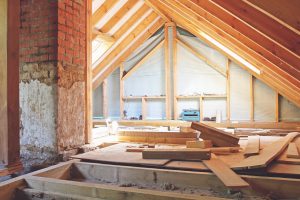
- Poor loft insulation
- Gaps around doors
- Cold floors
Simple fixes such as draught excluders, thicker curtains and loft insulation can make your stove feel twice as effective.
10. Use Your Stove for Background Heat
Long-burning fuels like smokeless coal are ideal for steady, background warmth.
If you want a cosy evening glow, add logs on top for flames and atmosphere.
Using the right fuel at the right time maximises comfort and efficiency.
Final Thoughts
A multi-fuel stove is one of the most flexible and efficient ways to heat a UK home—especially when fuel prices rise and winters feel colder each year. With good fuel, the right air settings and regular maintenance, your stove will keep your home warm, comfortable and cost-effective all winter long.