





Introduction
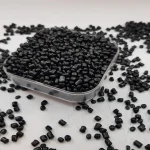
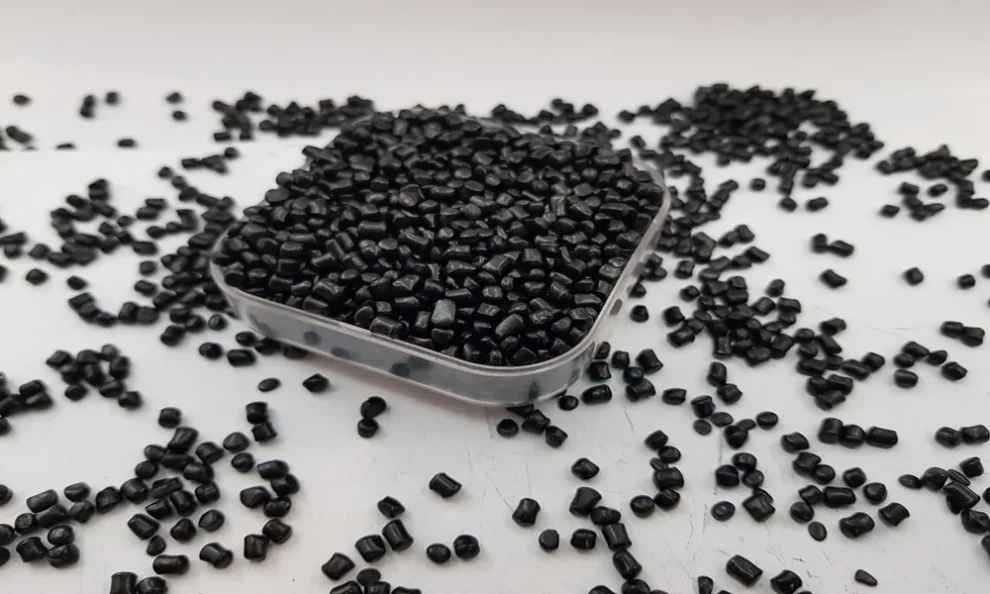
Choosing the right PE black masterbatch supplier is an important decision for plastic manufacturers. The quality and consistency of the masterbatch can directly influence the image, conversion rate, durability, and overall value of finished polyethylene products.
Comparing Tips for PE Masterbatch Suppliers
Before evaluating suppliers, clearly define what your production process demands. Different polyethylene requests can have miscellaneous mechanical needs.
1. Evaluate Carbon Black Quality
Carbon black is a key component of PE black masterbatch, so color traits can significantly influence product performance. Ask suppliers about the carbon black grade and relevant mechanical specifications.
Factors like pigment traits, concentration, color substance, and UV performance can influence the things produced. A label should be able to designate appropriate technical cues rather than merely describing the product as a “prime black masterbatch.”
2. Check Dispersion Performance
Good element black dispersion is essential for producing uniform polyethylene devices. Request samples and judge them under your actual production conditions at any time possible. A temporary contribution constant dispersal across batches can help eliminate result problems and waste.
3. Compare Color Strength and Consistency
Color wealth determines by means of what efficiently the masterbatch produces the desired inky shade at the dosage. However, an effective black color is not the only concern. Batch-to-lot consistency is just as important, particularly for manufacturers bearing large quantities of the same merchandise.
Ask potential suppliers about their quality-control processes for:
- Color regularity
- Pigment concentration
- Dispersion
- Moisture
- Thermal stability
Consistent specifications can help manufacturers ensure uniform finished-product condition.
4. Consider Polymer Compatibility
PE black masterbatch acknowledges the possibility of being compatible with the polyethylene material being processed. A masterbatch created for the PE application can not act identically across all polyethylene grades.
This can understand your base polymer and treatment environments before approving a formulation. Good compatibility can help with effective joining, fixed color, and agreeing color distribution.
5. Review Processing Performance
A masterbatch must perform reliably under the temperatures and environments encountered in your production process.
For example, buffeted film results may have miscellaneous requirements from needle frieze or pipe extrusion. Manufacturers continue to compare suppliers based on how well their masterbatch performs under the appropriate processing conditions.
Sample testing can help judge:
6. Compare UV and Weathering Performance
Manufacturers should discuss UV necessities accompanying suppliers and request an appropriate technical dossier or test results when outdoor durability is the main concern.
7. Don’t Choose Based Only on Price
Price is naturally a main buying determinant, but the lowest masterbatch may not support the lowest overall cost. A lower-value product can require a higher proportion of dye or additional consumables, or constitute more waste by way of poor dispersion or color.
8. Evaluate Technical Support
A good supplier endures supply more than a device. Technical support may be valuable when manufacturers experience questions accompanying dispersion, color matching, portioning of the component, or other products.
Conclusion
Rather than selecting a brand based solely on price, test samples under your production conditions and compare the overall profit each supplier offers. A trustworthy PE black masterbatch can help manufacturers achieve consistent results, reduce waste, and achieve the results required for their finished product.