






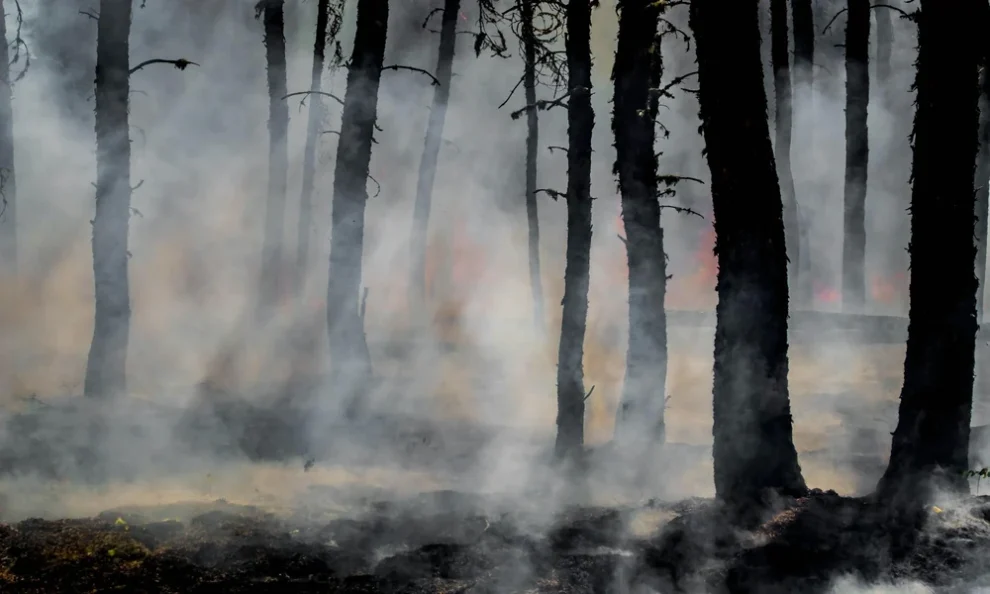

The financial scale of the 2025 Los Angeles wildfires anchors a recent Forbes Business Council column by Jean-Pierre Conte, founder and managing partner of his family office, Lupine Crest Capital. Citing figures from the Los Angeles County Economic Development Corporation, Conte notes that property damage from the fires reached an estimated $53.8 billion, with projected economic losses climbing to $8.9 billion through 2029.
Those numbers frame the rest of his argument. A disaster of that scale, he suggests, can’t be addressed through isolated corporate donations alone. It requires businesses treating wildfire preparedness as an ongoing priority rather than a response triggered only after damage has already occurred.
Why the Numbers Change the Conversation
Conte uses the Los Angeles figures to argue that the cost of prevention, however it’s measured, is smaller than the cost of recovery. Businesses positioned to contribute expertise, whether in construction, technology, or logistics, have an opportunity to reduce future losses rather than simply fund cleanup after the fact.
He extends the same logic to Colorado, noting that the twenty largest wildfires in the state’s recorded history have all occurred since 2001, according to the Colorado Division of Fire Prevention and Control. That statistic, paired with the Los Angeles figures, supports his broader point that wildfire risk has become a recurring cost of doing business in fire-prone regions rather than an occasional exception.
Turning Data Into Action
Conte’s recommendation follows the numbers directly: local leaders are consulted to identify specific needs, relevant expertise is contributed alongside any financial support, and involvement is sustained over multiple years rather than reserved for when a fire makes headlines. He frames this as a more efficient use of resources than reactive giving after the next major fire.
What the Projection Period Signals
The Los Angeles County Economic Development Corporation’s projection running through 2029 is worth noting on its own. A multi-year projection means the $53.8 billion in property damage is only part of the total economic effect, with lingering costs to businesses, employment, and local tax revenue extending well past the initial event. Conte treats that extended timeline as further evidence that prevention deserves the same multi-year commitment from businesses that the recovery itself will require from the region.
Framed this way, prevention spending isn’t a discretionary donation so much as an investment with a defined, if uncertain, payoff measured in avoided future losses.
The original column, along with more of Conte’s data-driven commentary on business and community risk, is available through his Forbes Business Council profile and personal website, both linked below.