





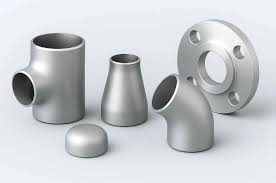

The performance, safety, and maintenance expenses of industrial piping systems are heavily influenced by the type of flange chosen. Weld neck and slip-on flanges are common options, each offering unique pros and cons, making it important to know their distinctions before selection.
Design and Structure Differences
Weld neck flanges provide excellent stress distribution and minimize turbulence thanks to their long, tapered hub that smoothly connects to the pipe wall. They are made for applications involving high temperatures and pressures. The pipe and flange are butt-welded together to provide a sturdy, leak-proof junction. This design guarantees dependability in severe situations and lowers the risk of fatigue in vital piping systems.
Conversely, slip-on flanges have a more straightforward construction. The pipe is then fillet-welded along the hub to complete the joint. Slip-on flanges are appropriate for low to medium-pressure applications since this technique is simpler to align and typically quicker to install. However, because the hub does not provide the same stress distribution as weld neck flanges, slip-on flanges are more prone to leakage and fatigue under extreme conditions.
Performance Considerations
In terms of performance, weld neck flanges outperform slip-on flanges in critical scenarios. Their butt weld and tapered hub offer improved resistance to shear and bending pressures. They are therefore perfect for systems that deal with caustic fluids, extreme temperatures, or varying pressures. They are widely employed in power generation, chemical processing, and oil and gas systems, where reliability and structural integrity are essential.
Slip-on flanges function well under less stressful circumstances, but they could need more frequent maintenance and inspection in high-stress settings. While they are easier to install and align, their structural integrity under high pressure is not as strong as weld neck flanges. Engineers often select slip-on flanges for water treatment systems, HVAC piping, and general industrial use where cost efficiency outweighs extreme durability needs.
Installation and Labor Costs
For butt welding, weld neck flanges usually need exact alignment and experienced workers, which can lengthen installation times and raise costs. The welding process must be executed with care to maintain the strength of the joint, and inspection standards are often stringent. This higher upfront cost is justified in applications where longevity, leak prevention, and safety are critical.
Slip-on flanges offer lower installation costs because the fillet weld is simpler and requires less precision. They are more forgiving in terms of alignment, which can reduce labor time and technical expertise requirements. For businesses seeking cost savings on projects where the operating conditions are moderate, slip-on flanges may provide an acceptable balance between performance and price.
Material and Maintenance Factors
The material selection affects the longevity and performance of flanges. Because of their sturdy construction, weld neck flanges frequently enable the use of superior alloys for corrosion resistance, which can further increase service life. System integrity can be maintained for decades with the use of routine inspections and non-destructive testing.
Slip-on flanges, while generally manufactured from similar materials, are more susceptible to stress corrosion cracking at the fillet welds in harsh conditions. Preventive maintenance may be needed more frequently, potentially offsetting the lower initial cost.
Cost Comparison
While the initial purchase price of a slip-on flange is usually lower than that of a weld neck flange, a comprehensive cost analysis should account for installation, labor, maintenance, and potential downtime. Weld neck flanges represent a higher upfront investment but can reduce long-term operational risks and costs in high-stress applications. For moderate-duty systems, slip-on flanges offer a more budget-friendly option with simpler installation.
Conclusion
Choosing between weld neck and slip-on flanges requires a careful assessment of system requirements, operating pressures, temperatures, and long-term maintenance considerations.
Weld neck flanges excel in high-stress and critical applications, offering superior strength, leak resistance, and durability. Slip-on flanges provide ease of installation and lower initial costs, making them suitable for less demanding environments.
A reputable mechanical parts manufacturer can provide guidance on selecting the appropriate flange type to ensure both performance and cost-effectiveness.