






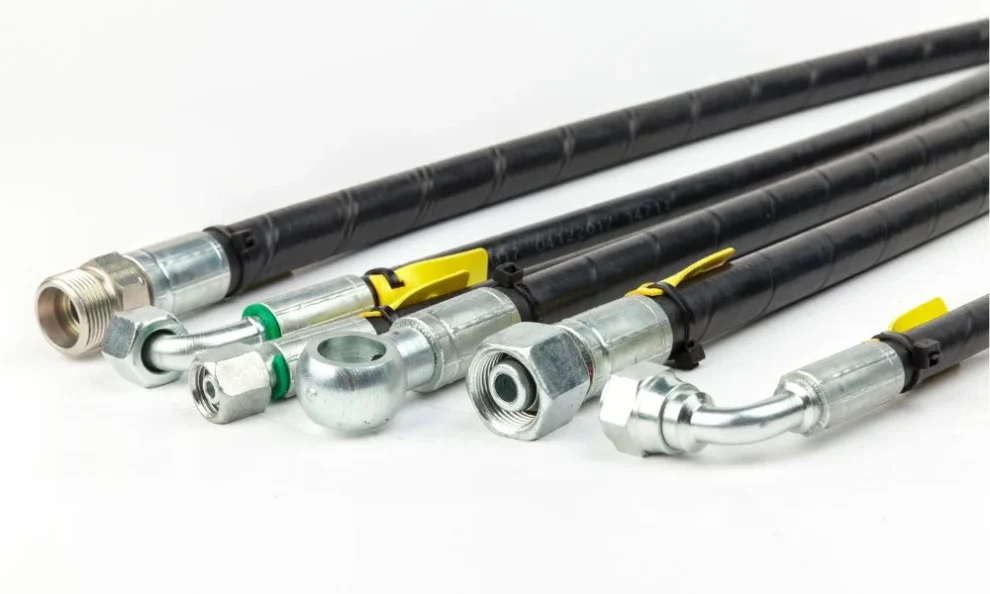

Hydraulic hose protection should be a central component to maintain high safety standards and efficacy for every hydraulic system. Hydraulic hoses are such essential parts of many different machines and wider machine systems, transferring pressurised liquids and gases from one part of a hydraulic system to another. Without an effective hose sleeve protection sleeve there could be potential unsafe instances, such as leakages, fires, explosions, and other potentially hazardous incidents.
This guide will look at the importance of hydraulic hose protection and the steps that you can easily take to ensure the safety and efficiency of hydraulic systems where they are operational.
What are the benefits of hydraulic hose protection?
There are a few critical advantages to the use of hydraulic hose sleeve protection within hydraulic systems. This includes:
Protect against wear and tear
The biggest advantage of hydraulic hose cover within hydraulic systems is that it provides protection against damage and natural wear and tear. This helps to prolong the life cycle of the system, lowers maintenance costs, and reduces the need (and cost) of early hose replacement.
Minimises downtime
Unexpected downtime due to the failure of hose and cable systems can cost a company a lot of money. Good hose protection minimises the risk of downtime through the protection of the components and system, and protects operators and those in the area.
Avoid whiplash
If there is a high-pressure whiplash, hose protection sleeves are designed to hold lines in place, which prevents dangerous whiplash. This is a necessary protective measure that protects workers in the immediate vicinity of the hydraulic hose system.
What are the steps to ensure hydraulic hose safety on site?
To ensure that your hydraulic hose system is fully protected, there are some simple steps that you can take to choose the best hydraulic hose protection.
Select the correct hose safety cover
Safety covers provide that extra layer of protection that helps to minimise the chances of an accident. The physical barrier is a protection for both the equipment and the personnel. To choose the correct hose cover, think about the temperature of the system, the pressure, and the environment.
Evaluate the hose system
Identify the specific risks linked to the hydraulic system in place, looking for any kinks, bulges, obstructions, and wear and tear that a hose cover could help with. Any potential leakage and abrasion must be addressed, as these can cause long-term damage if not dealt with early.
Proper installation
It’s important that thehydraulic hose cover you choose is installed as securely as possible. This means using the correct clamps and bands that are easy to open when required, but provide a secure fitting without any gaps to prevent leaks.
Maintain and inspect regularly
Regular inspection and maintenance are vital, as it ensures that any wear and tear, or damage to the protective sleeve or system itself is detected early. Maintenance checks should be thorough and conducted every six months minimum.
Extensive training and awareness
Educating employees about the proper use of hydraulic hoses, protective sleeves and covers, and the overall safety issues of a hydraulic system is important. Raising awareness improves safety standards on site and minimises potential accidents, injuries, and costly downtime.
Protect your hydraulic system with a hydraulic hose cover
Finding the best suppliers of hydraulic hose protection covers helps you to improve safety standards on site, lower hazardous incidents that could potentially cause injury, and lower your operational costs through a longer life cycle for the system.