





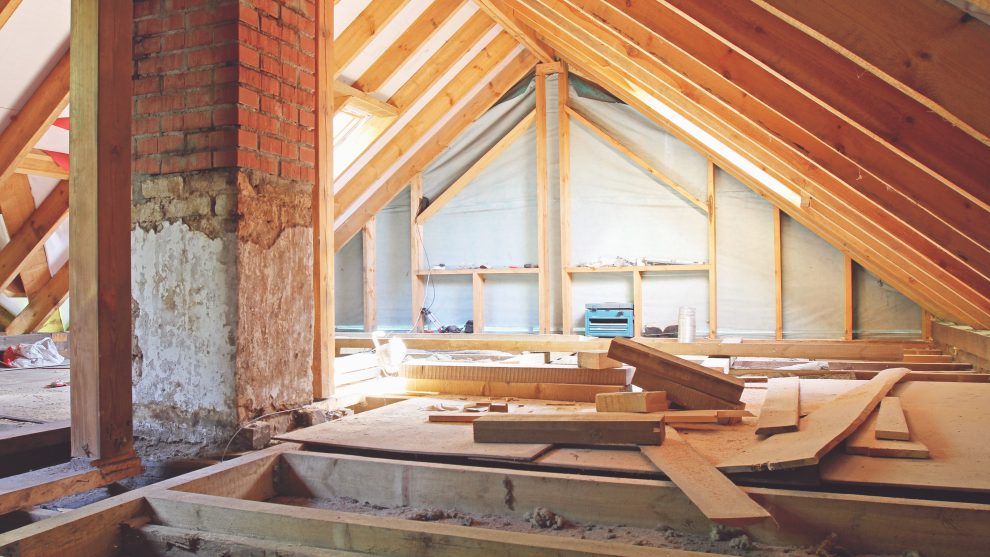

Loft conversions are a popular way for homeowners in the UK and Ireland to add valuable living space and boost property value. Whether you dream of a spacious bedroom, a cosy office, or a playroom for the kids, transforming an unused attic can seem like an ideal solution. However, many homeowners rush into loft conversions without proper planning, leading to expensive mistakes and disappointment. In this article, we’ll explore the most common loft conversion mistakes, why they happen, and how to avoid them, ensuring your project runs smoothly from start to finish.
1. Failing to Assess Suitability
One of the most frequent mistakes is not checking whether the loft is suitable for conversion, says Mark Baker who is site manager at a Loft conversion company in Sidcup. Not all lofts have the necessary height, structure, or access for a successful transformation. Building regulations typically require a minimum head height of 2.2 metres. If your loft falls short, you may face costly structural changes, such as lowering the ceilings below or raising the roof. Always consult a professional to carry out a feasibility study before committing to plans, as this can save considerable time and money later on.
2. Ignoring Planning Permission and Building Regulations
Many homeowners wrongly assume that loft conversions are always permitted development and do not require planning permission. While this can be true for simple conversions, more extensive alterations may need approval. Additionally, all loft conversions must comply with building regulations, covering everything from fire safety to insulation. Failing to secure the necessary permissions can result in fines, forced reversals, and difficulties selling your home in the future. Always check with your local council before starting work and ensure your builder is familiar with current regulations.
3. Underestimating Budget Requirements
Budgeting errors are a common pitfall. Some homeowners focus only on the basic build cost, forgetting additional expenses like architectural drawings, planning fees, insulation, plumbing, electrical work, and finishing touches. Unexpected costs can quickly escalate if issues arise mid-project, such as discovering rotten timbers or needing bespoke windows. To avoid budget overruns, get detailed quotations from several contractors, factor in a contingency fund of at least 10-15%, and make sure you fully understand what each quote includes.
4. Poor Design and Layout Choices
Designing a loft conversion requires more than simply placing a bed under the eaves. Poor layout decisions can result in cramped, awkward spaces with limited natural light and ventilation. Consider how you’ll use the space, your storage needs, and traffic flow. Position windows to maximise sunlight, and think carefully about where to place stairs, as these can eat up valuable space and affect the rest of your home. Employing an experienced architect or loft conversion specialist can help you achieve a practical, attractive design that adds real value.
5. Choosing the Wrong Contractor
Hiring the cheapest loft conversion builders or a general tradesperson without experience can be a costly mistake. Loft conversions are complex, involving structural changes and compliance with strict regulations. Research potential contractors thoroughly: check references, ask to see previous work, and confirm they have insurance and appropriate qualifications. A reputable specialist will guide you through the process, anticipate potential issues, and deliver a high-quality result.
6. Neglecting Insulation and Ventilation
Some homeowners overlook the importance of proper insulation and ventilation, leading to uncomfortable rooms that are too hot in summer or cold in winter. Building regulations set minimum standards for insulation, but exceeding these can improve energy efficiency and comfort. Adequate ventilation prevents damp, mould, and poor air quality. Discuss options such as roof windows, extractor fans, and breathable membranes with your contractor to ensure a healthy living environment.
7. Overlooking Structural Implications
Converting a loft places additional load on your home’s existing structure. Failing to reinforce floors, walls, or roof supports can lead to sagging ceilings, cracked plaster, or even serious safety risks. Always have a qualified structural engineer assess your plans and oversee any reinforcements. Cutting corners here can jeopardise your investment and your safety.
8. Inadequate Lighting Solutions
Lofts are often dark, so effective lighting is vital. Relying solely on artificial light can make the space gloomy and uninviting. Install rooflights or dormer windows where possible to bring in natural daylight. Combine this with layered artificial lighting—such as spotlights, wall lights, and lamps—to create a warm, flexible environment suitable for a range of activities.
9. Forgetting About Storage
Loft rooms often have sloping ceilings and awkward corners, making conventional storage difficult. Failing to plan for built-in cupboards, shelves, or under-eaves storage can result in clutter and wasted space. Incorporate smart storage solutions in your initial design to maximise every inch and maintain a tidy, functional room.
10. Not Planning for Future Needs
Your needs may change over time, so think ahead when converting your loft. Will you need additional electrical sockets, internet access, or plumbing for an ensuite in the future? Adding these features later can be expensive and disruptive, so include them in your plans from the outset, even if you don’t use them straight away.
Conclusion
Loft conversions can add tremendous value and enjoyment to your home, but only if approached with care and attention to detail. Avoiding these common mistakes—by assessing your loft’s suitability, budgeting carefully, hiring an experienced contractor, and planning for comfort and flexibility—will help ensure your loft transformation is a success. Take the time to research, consult professionals, and plan thoroughly: it’s the best way to turn your attic into a space you’ll love for years to come.